
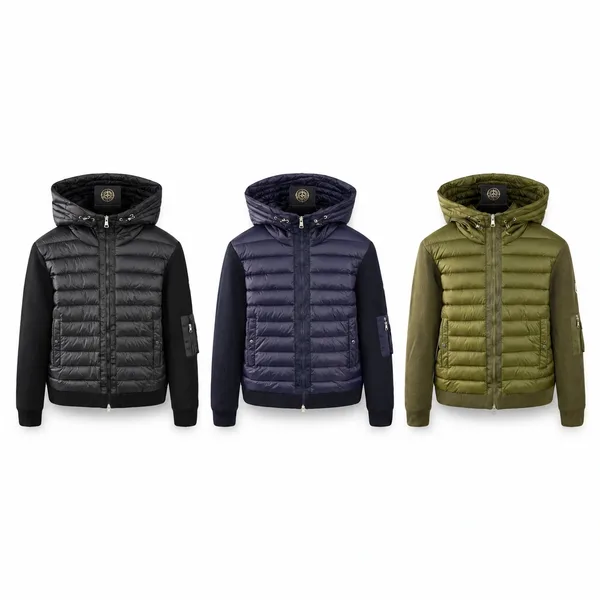
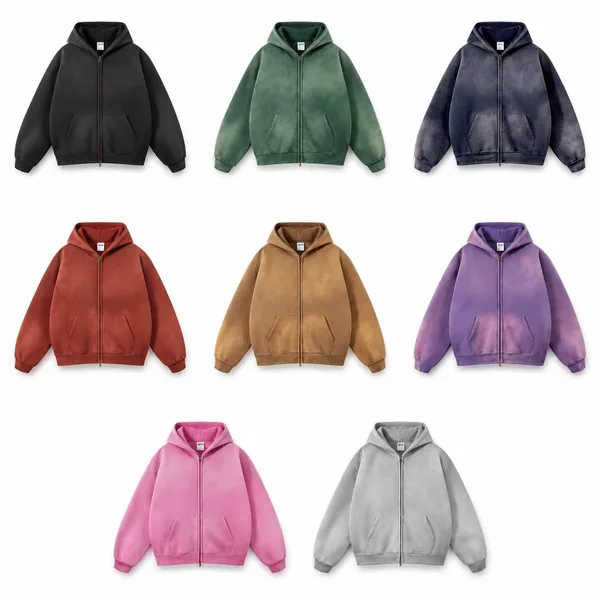
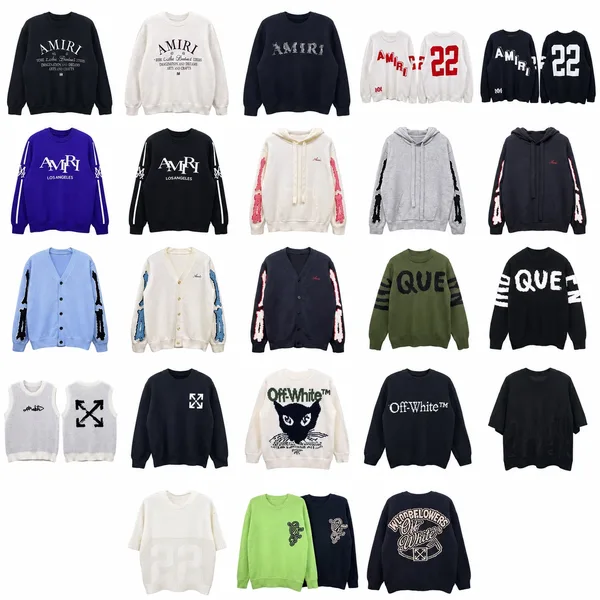
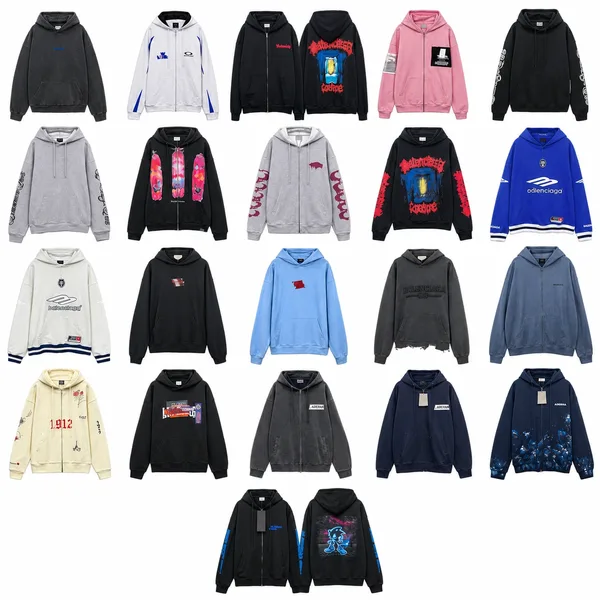
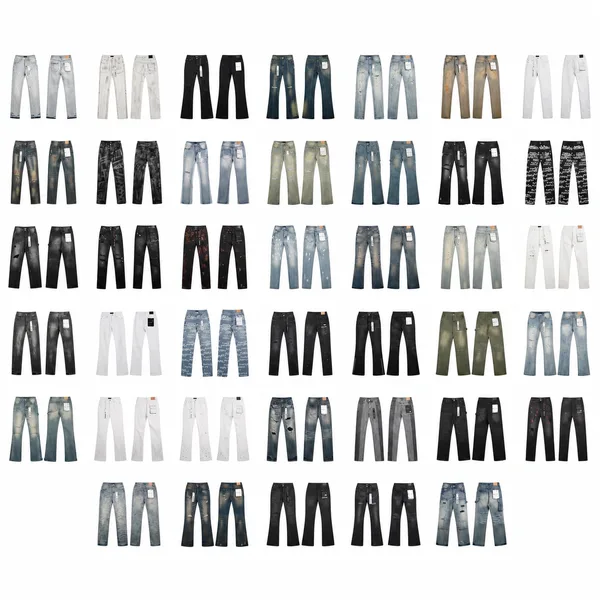
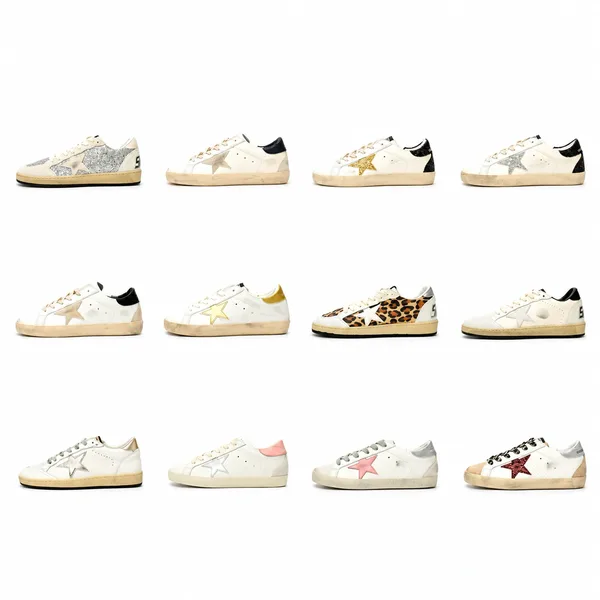
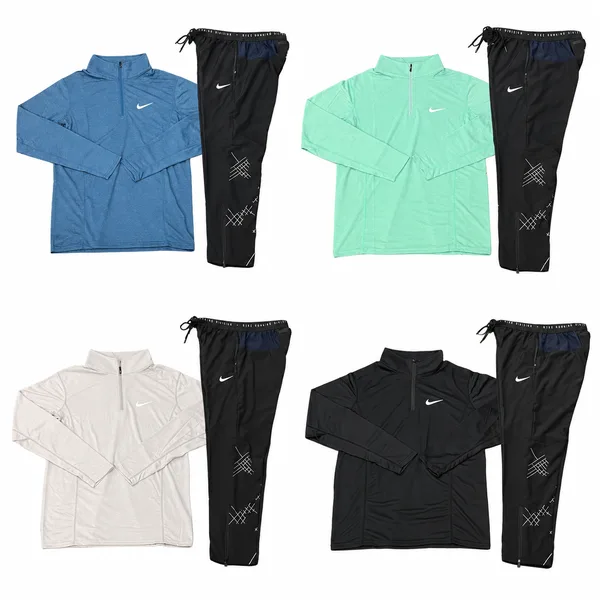
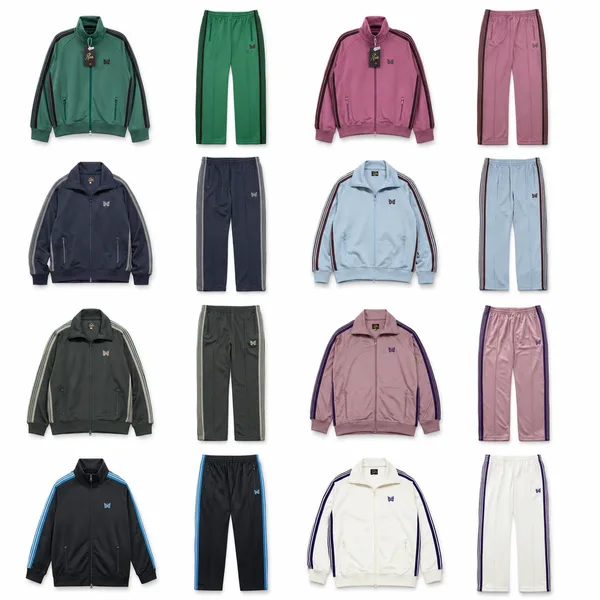
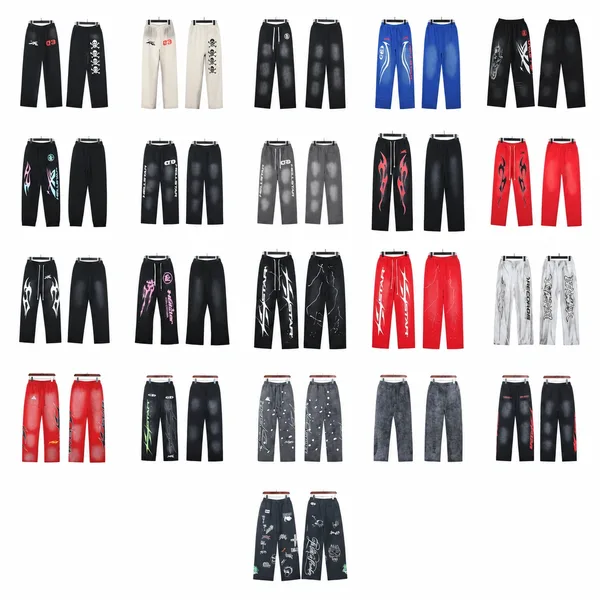
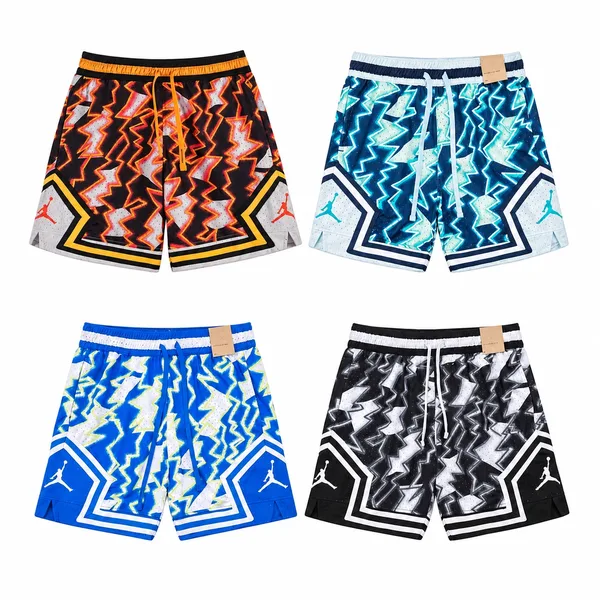
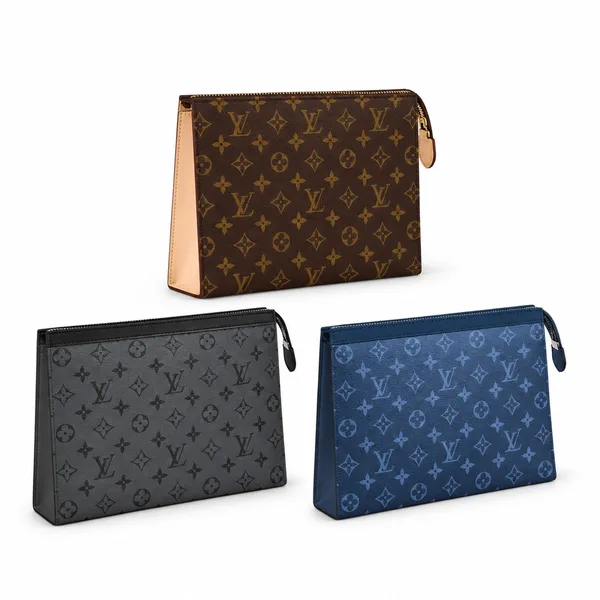
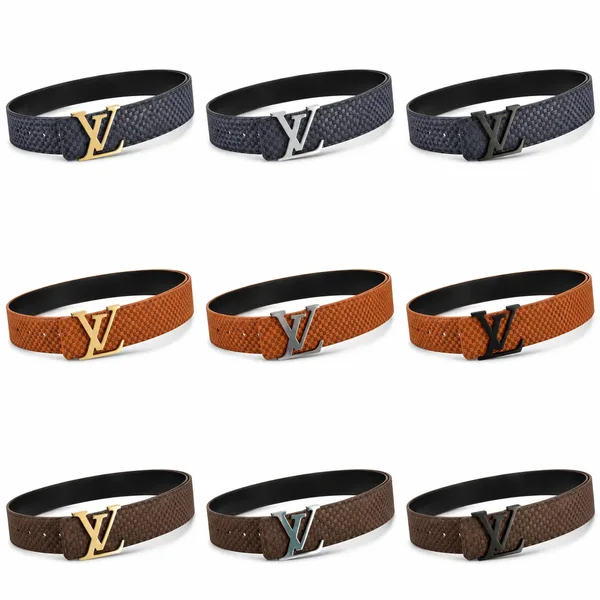
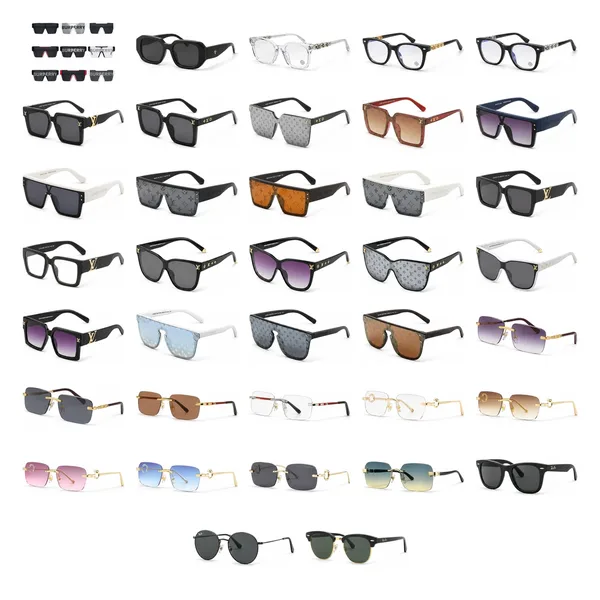
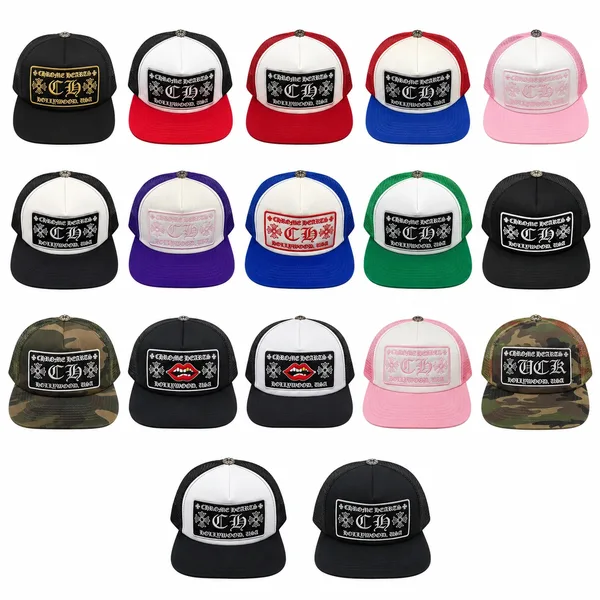
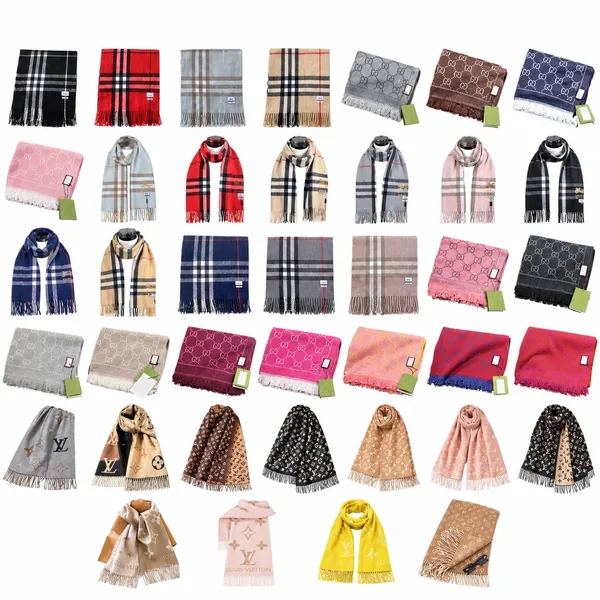
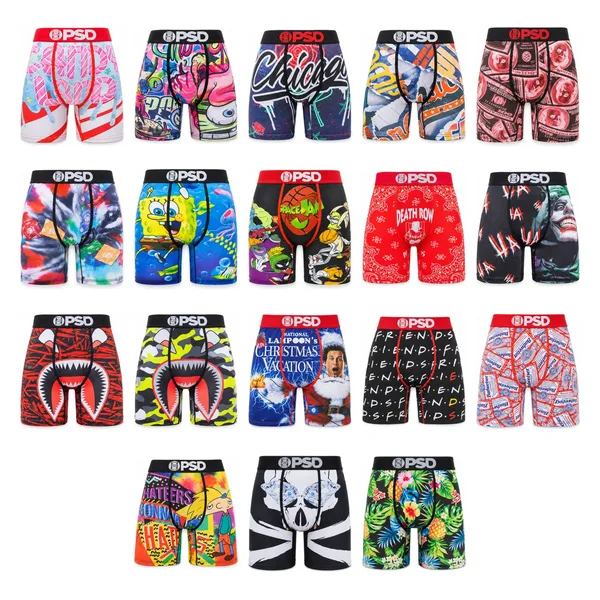
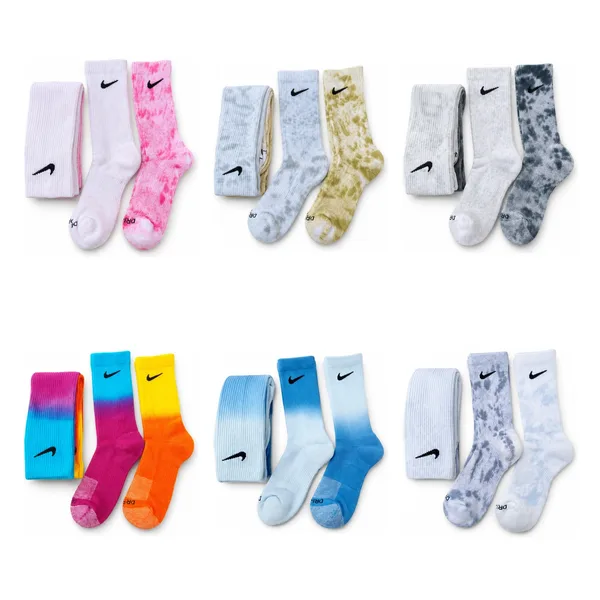
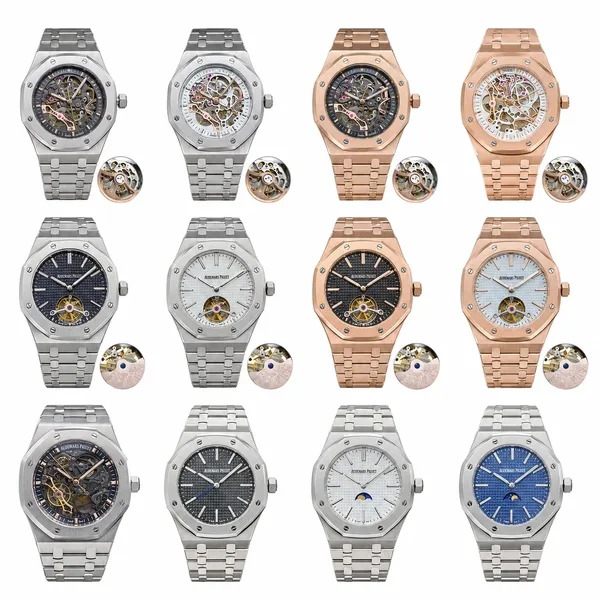
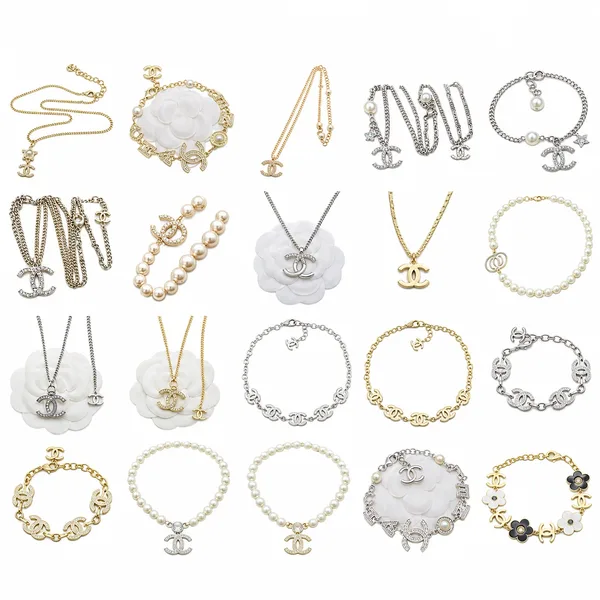
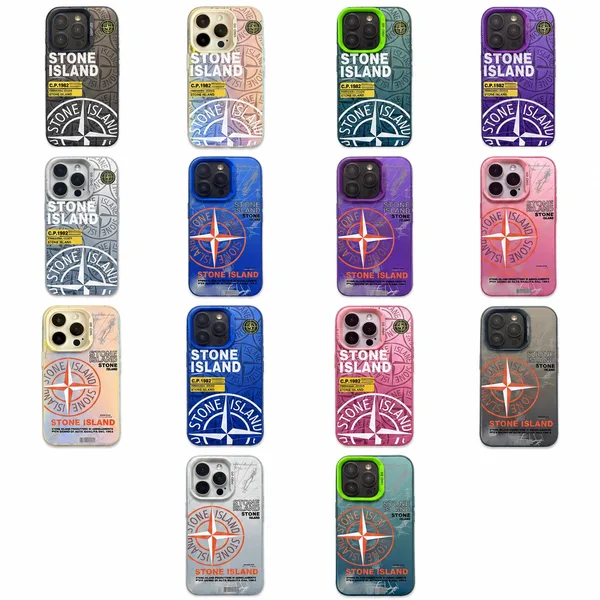
Find your next favourite in the Joyagoo spreadsheet. Browse by category, compare photos and prices, and open the item you choose in Joyagoo. Use the guides below to keep your shortlist, sizing checks and parcel plan together.
Start with the decision you are trying to make, then use your shortlist to keep the relevant differences visible. You do not need a universal winner. You need to understand which candidate fits the requirement you have actually set, and which question still needs an answer.
Begin with a requirement, not a growing collection
Write down the purpose of the purchase before saving another dozen links. For clothing, that might be a particular length, an intended layer or a colour that works with something you own. Keep essential requirements separate from details you simply like.
This distinction prevents a striking photograph from quietly changing the goal. You may decide that appearance matters most, but make that choice deliberately. If a measurement is essential, an attractive picture cannot substitute for it.
Keep each candidate internally consistent
Give each find its own entry containing the product address, selected option and deciding question. Do not combine the photograph of one colour, dimensions from another size and an amount associated with a different configuration. That produces a candidate which may not exist in the listing.
If you change an option, revisit the information attached to it. Keep the earlier selection as an alternative if it remains useful, rather than allowing old notes to describe the new choice automatically. An orderly comparison records what changed and why.
Compare the same dimension on both sides
Suppose length matters more to you than the general size label. Look for the relevant finished dimension for each candidate and check how it was measured. A body recommendation and a garment measurement answer different questions, even when both are expressed in centimetres.
The Joyagoo size guide explains how to compare measured objects, units and endpoints without treating a shared label as shared fit. It also shows why one item can be wider but shorter: several differences should not be compressed into a single larger-or-smaller verdict.
If only one candidate has the deciding measurement, the comparison is incomplete. That does not automatically make the other unsuitable. Decide whether to ask a precise question or continue with a choice whose relevant information you can understand.
Use a product page as a candidate, not a conclusion
Inspect a textured crewneck knitwear listing in the catalog if that type of garment belongs in your shortlist. Examine the selected option and its description rather than assuming the visible texture establishes composition, warmth or comfort.
Record this product separately from any alternative you are considering. The link gives you a place to inspect a candidate; it is not a comparison test or a personalised search result. Your decision still depends on the properties important to your use and the information for the actual option.
Separate an attractive amount from a comparable offer
A price comparison needs matching scope. Check whether the displayed choice refers to a single item, a set or another configuration. If you note an amount, retain the currency, option and date beside it. Otherwise an old observation can easily look like a current offer.
Do not let a product amount stand in for every later cost. The comparison you are making might concern the item alone, while a parcel decision depends on different information. Name the object of the comparison before adding figures together.
Give photographs a specific job
A picture can help you compare visible design features. It cannot tell you everything about how an item performs or fits. When a photograph is attached to a comment, ask whether it shows a listing image, a particular inspected unit or an item someone has received.
Those contexts are not interchangeable. A visible detail may answer one narrow question while leaving another unresolved. Write the observation in that narrow form instead of upgrading it into a claim about every unit or the whole purchase.
The best Joyagoo spreadsheet comparison guide applies this approach to choosing between collections without inventing an overall winner.
For the remaining core questions, use the review guide to assess claims and the spreadsheet safety guide to separate account, product and transaction checks.
Match the comparison to your next decision
Compare the options that could actually change your choice. For fit, use each item’s chart and the same measurement method. For a product link, check the selected version and included pieces. For an account or order question, look at the relevant account or transaction information—not a product photograph.
Keep an observation separate from a preference: “this chart shows a shorter sleeve” is different from “I prefer the shorter sleeve.” A useful shortlist records both without treating either as proof of a completed purchase.
The Joyagoo spreadsheet guide follows the transition from comparison to purchase, inspection and parcel planning without treating them as one event.
End a comparison with a reasoned next step
Choose between retaining a candidate, asking a question, comparing an alternative or deciding not to buy. Record the reason briefly. That makes your next visit a continuation rather than another round of unstructured browsing.
If an order already exists, keep its actual selected variant separate from your new preference. Changing a shortlist does not change an order. A possible replacement remains a possible replacement until the relevant action is confirmed.
Explore by the choice you are making
For outfit planning, compare underwear proportions, headwear shape and women's clothing measurements with the garments you already use. A golf clothing comparison concerns a different use case from choosing a watch; keep their deciding requirements separate.
If you are combining several finds, the haul planning guide helps keep each selection distinct. For phone access, use the app download guide before assuming a download entry confirms installation.
Frequently asked questions
Should I choose the spreadsheet with the most products?
Not on that basis alone. A collection is useful when you can identify relevant candidates, understand their options and compare the differences that matter to you.
What if both finds look equally good?
Return to the essential requirement. Compare the corresponding property, using matching definitions and options. It is reasonable to postpone a choice when the deciding information is unclear.
Does a saved product link prove availability or quality?
No. It preserves a destination to revisit. Check the present option and description before acting, and do not treat a visual impression as a test of properties the image cannot establish.
Find the next practical guide
For product decisions, use size comparisons and warehouse QC photos. If you are ready to arrange a parcel, start with shipping, cost estimates and delivery stages.
For an existing order, go directly to payments, returns, tracking or the help inside your account. Browse the complete article directory for clothing categories, community reviews and language-specific guides.